Why Managing Household Tasks Starts to Drift After a Few Busy Days
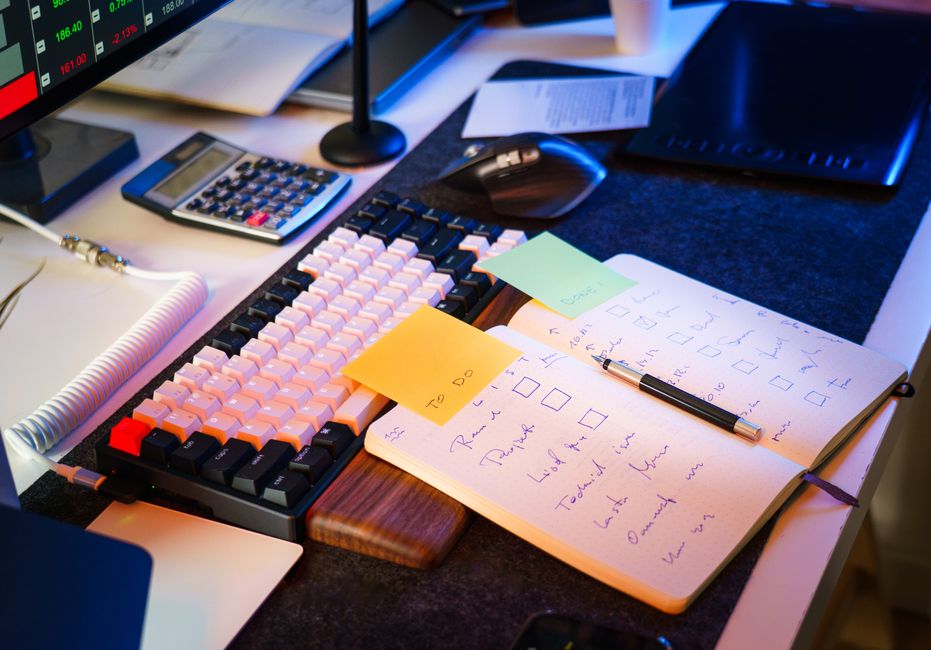
It’s a Tuesday afternoon, and the task list on my screen feels endless. I glance at the clock and realize I have only two hours left in my work session before the inevitable afternoon dip hits. Each item on the list stares back at me, but I can’t help but feel the pull of Slack notifications pinging in the background. I toggle between tabs, trying to keep my focus on the top three tasks, but the constant interruptions make it hard to maintain any momentum. The browser tab row is cluttered with open emails, project files, and a streaming list of reminders that seem to multiply every minute.
As I shift my attention back to my task list, I notice I’ve skipped over the important step of prioritizing my workload. Instead of moving admin tasks to later in the day when my energy is lower, I’m still trying to tackle them during my peak focus block. This misalignment creates friction, as I find myself task-switching more than I’d like, losing track of what I originally set out to accomplish. The top three tasks never get rewritten, and I’m left feeling scattered and unproductive, caught in the cycle of divided attention that hampers my ability to manage household tasks effectively.
A Morning Routine Already in Motion
Sitting at my cluttered desk, I glance at the task list open on my browser tab, the first item glaring back at me. It’s a sunny Tuesday morning, and I’ve set aside this time for a focused work session. Yet, the moment I dive into my top task, notifications from Slack and email start pinging in the background, pulling my attention away. Each chime feels like a small weight added to my already full plate, making it hard to maintain any momentum.
As I toggle between tabs, I realize I’ve skipped over the crucial step of aligning my tasks with my energy levels. Instead of saving admin tasks for later in the day, when my focus dips, I’m still trying to tackle them now. This misalignment creates friction, as the constant task-switching leaves me scattered. I check my task list again, but the top three tasks never get rewritten, and I’m left feeling overwhelmed by the sheer volume of unfinished tasks. The cycle of divided attention continues, making it clear that my morning routine needs a more thoughtful approach to truly manage household tasks effectively.
When the Routine Begins to Slip
This same friction shows up again in Managing Energy Not Time, especially when the day tightens unexpectedly.
The moment I sit down at my desk, ready to tackle the day, I glance at my task list pinned to the wall. The top three tasks stare back at me, untouched and unchanged from yesterday. I realize that I’ve let distractions creep in, and my focus is already scattered. Notifications from Slack and email are constant, each ping pulling my attention away from the work session I had planned. This fragmentation of focus makes it difficult to engage deeply with any task, and I can feel the frustration building.
As I toggle between tabs, I notice that I’ve skipped over a crucial step: prioritizing my tasks based on my energy levels throughout the day. Instead of saving the more demanding admin tasks for later when my focus typically dips, I’m attempting to tackle them now, in the middle of my peak energy hours. This misalignment creates friction; my attention is divided, and I find myself repeatedly checking my task list without making any real progress. The consequence is clear: my productivity is stalling, and I’m left feeling overwhelmed by the sheer volume of unfinished tasks. To regain control, I need to move those admin tasks to a time block later in the day, when I can handle them without the pressure of my top priorities looming over me.
Why Distractions Create Friction
A slightly different version of this problem appears in Focus Without Burnout, where the sequence changes but the hidden drag feels familiar.
Every time a Slack notification pings, my focus is yanked away from the task I’m trying to complete. The browser tab row is already cluttered with open documents, and that alert pulls my attention into a different direction, breaking my workflow habit. I find myself switching between tasks, which leads to a fatigue that makes it hard to dive back into the original work. The result is a growing sense of overwhelm as I glance at my task list, which now feels like a mountain of unfinished items, each competing for my attention.
Despite my good intentions to tackle everything on my list, I neglect a crucial step: prioritizing tasks based on urgency and energy levels. Instead of focusing on the top three tasks that I wrote down earlier, I let new items slip in without evaluating their importance. This mismanagement creates a hidden friction point; I want to be productive, but the constant influx of notifications and the sheer volume of tasks make it impossible to maintain clarity. I realize that I need to adjust my approach: I should move less critical admin tasks to later in the day when my energy dips, allowing me to focus on what truly matters during my peak hours. This simple shift could help alleviate the pressure and restore some order to my workflow.
Reordering Tasks to Regain Focus
During my typical weekday, I often find myself staring at a long task list on my screen, each item vying for my attention. As notifications from Slack and email pop up, I feel my focus slipping. The top three tasks I wrote down earlier remain unchanged, but new items keep creeping in, distracting me from what truly matters. This chaotic environment makes it difficult to maintain a clear workflow, especially when I’m trying to juggle multiple responsibilities.
To counter this, I’ve started blocking off specific times in my calendar for administrative tasks, scheduling them for after lunch when my energy naturally dips. This small adjustment allows me to tackle more demanding tasks during my peak focus hours in the morning. I also check my task list at the start of each work session, ensuring I only focus on the top three items that need immediate attention. By moving less critical tasks to later in the day, I can minimize interruptions and enhance my productivity during those crucial morning hours when my attention is at its best. This shift not only reduces the friction caused by constant task switching but also helps me regain control over my daily workflow. Carrying Forward the New Sequence After shifting my administrative tasks to the afternoon, I noticed a significant change in my workflow. Each morning, I open my task list and prioritize the top three tasks that require my full attention. This simple act of checking my list first thing allows me to dive straight into the most critical work without the distraction of incoming Slack notifications or email pings that often derail my focus.
As I tackle these priority tasks during my peak energy hours, I find my concentration sharper and my output higher. The adjustment means I can complete complex projects without the constant interruption of less critical tasks. For instance, I can spend a solid hour on a client proposal without having to switch gears to respond to a quick admin question or check off a minor task that can wait until later.
By the time the afternoon slump hits, I’m already ahead, having completed the most demanding tasks. I pull up my task list again to reassess what’s left, and I can see that moving admin tasks later has not only cleared my morning but also made the afternoon more manageable. I can now handle these lighter tasks with less mental load, allowing me to wrap up my day without feeling overwhelmed.
As the day winds down, the energy levels often dip, making it crucial to have a clear view of what still needs to be tackled. I pull up my task list again, ensuring that the top three tasks are visible and prioritized. This simple act of reassessment helps me avoid the trap of task switching, where I might be tempted to jump into lighter, less critical tasks that can wait. Instead, I focus on what truly needs attention, especially as I approach the end of my work session.
By keeping my task list organized and visible, I can maintain a smoother workflow. I’ve learned to resist the urge to check notifications during this time; distractions can easily derail my focus and lead to a longer afternoon. Moving admin tasks to a later block in the day not only lightens my mental load but also allows me to finish my workday feeling accomplished. Next time, before the afternoon slump hits, I’ll make it a point to review that task list and adjust my focus blocks accordingly, ensuring that I stay on track.