Where Managing Household Tasks Usually Breaks in Real Life

On an ordinary weekday, I sit at my desk, glancing at my task notebook, which is filled with a mix of admin tasks and project deadlines. It’s a short planning reset before diving into a busy day of meetings. Each interruption feels minor, yet they accumulate, leaving my task list untouched while my email expands with new messages.
As I sift through my calendar, I realize that I’ve overloaded my schedule with back-to-back meetings. This setup creates a bottleneck; I’m constantly switching tasks without a clear focus. I should have moved the admin tasks to later in the day when my energy dips, allowing me to tackle them without the pressure of immediate deadlines. Instead, I find myself caught in a cycle of task switching, where nothing gets completed, and my focus remains fractured.
The Setup: A Common Scene Before a Work Session
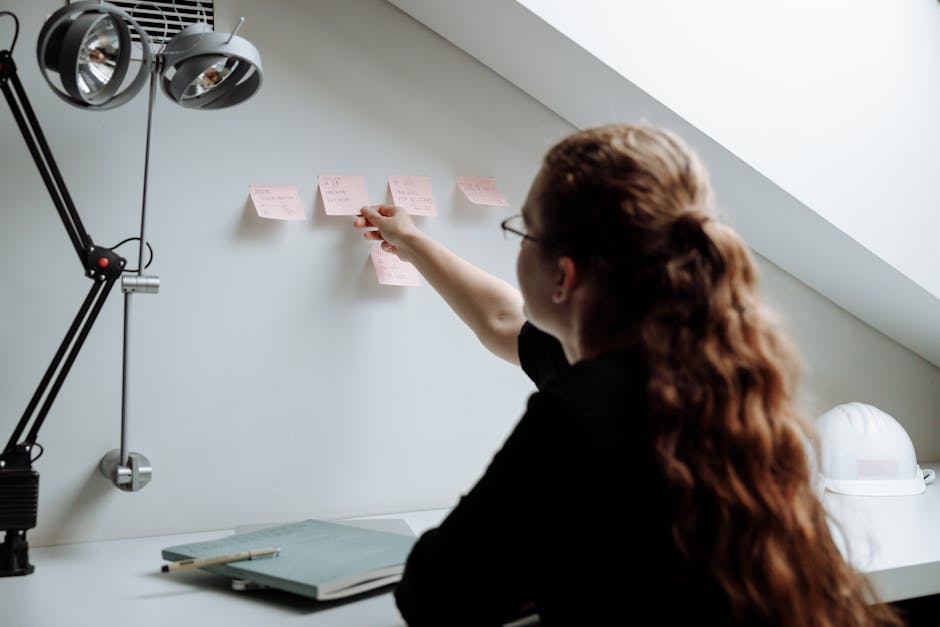
My desk is a battlefield of open tabs and scattered sticky notes, each representing a task waiting for attention. As I glance at my task list, I see a blend of urgent emails and long-term projects, all vying for my focus. It’s an ordinary weekday, and I’m preparing for a work session that should be productive, yet the clutter feels overwhelming. I know I need to dive in, but the distractions are relentless.
During this short planning reset, I realize I’ve set myself up for failure by cramming my calendar with meetings. The result? A constant cycle of task switching, where I flit between emails and project updates without making real progress. I should have prioritized moving those admin tasks to later in the day, when my energy dips, allowing for a more focused approach. The clutter of my environment and the relentless notifications create a bottleneck, making it hard to maintain the focus I need to get anything done.
Steps That Often Go Unnoticed
The task notebook lies open on my desk, filled with scribbled notes and a to-do list that seems to grow by the minute. As I prepare for my work session, I notice how my calendar is packed with back-to-back meetings, leaving little room for focused work. This setup is a recipe for chaos, especially on days when my energy levels fluctuate. Instead, I tackle admin tasks during my peak hours, which drains my focus for more demanding projects later.
Before diving into my emails, I realize I haven’t muted notifications on Slack or my email client. The constant interruptions create a bottleneck in my workflow, as I find myself shifting between tasks rather than making meaningful progress on any one of them. This cycle of task switching not only steals time but also fragments my attention, leaving me feeling unproductive and frustrated.
To counteract this, I decide to mute notifications and push my admin tasks to the afternoon, when my energy dips. This small adjustment allows me to reserve my peak focus blocks for the most critical work. I take a moment to check my calendar and move those less demanding tasks to later in the day. By doing so, I create a clearer path for my attention and make it easier to engage deeply with my projects. The next useful action isn’t buried under setup clutter anymore; it’s front and center, ready to be tackled without distractions.
The Main Bottleneck: Task Switching Chaos
During a typical weekday, I often find myself at my cluttered desk, staring at my task notebook filled with priorities for the day. These interruptions create a chaotic environment where my focus quickly dissipates. Each switch pulls my attention away from the task at hand, and before I know it, I’ve lost a significant chunk of time.
To regain control, I decide to implement a small but effective change: I mute notifications for both Slack and my email client. This simple adjustment allows me to create a more conducive workspace for deep work. I also take a moment to revisit my calendar and move all admin tasks to the afternoon when my energy tends to wane. This way, I can reserve my morning focus blocks for high-priority projects, ensuring that the next useful action isn’t buried under a pile of distractions.
A Cleaner Order for Managing Tasks
During my planning reset at the desk, I often notice that my task list is cluttered with admin tasks that drain my energy. This week, I’ve decided to shift those tasks to later in the day, specifically after lunch, when my focus typically dips. By doing this, I can keep my mornings reserved for high-priority projects that require deep concentration, allowing me to maximize productivity during my peak energy hours.
- Move admin tasks to the afternoon to avoid draining focus in the morning.
- Establish a dedicated focus block by muting all notifications on Slack and email.
- Prioritize high-impact tasks first, ensuring they are at the top of your task list.
This small adjustment creates a clearer workflow, as I can now dive into my most important work without the constant interruption of notifications. Next time I sit down to work, I will open my task notebook, check off the muted notifications, and prioritize my focus block, ensuring that I tackle my most challenging tasks first while the distractions remain silent.
A Quick Check That Prevents More Drift
A slightly different version of this problem appears in Managing Energy Not Time, where the sequence changes but the hidden drag feels familiar.
During a typical weekday, the task notebook lies open, filled with a mix of urgent and low-priority tasks. It’s easy to overlook the admin tasks that pile up on days packed with meetings, especially when Slack notifications ping insistently. Each alert pulls focus away from the high-priority items that should be tackled first.
To counter this, implement a quick check right after reviewing your calendar for the day. Before diving into any tasks, take a moment to mute notifications on your Slack and email. This small action can significantly reduce distractions and allow for a clearer focus block. With notifications silenced, prioritize the first three tasks in your notebook, ensuring they are all high-impact items that align with your energy levels. By doing this, you create a smoother workflow, allowing yourself to dive into the most important work without the constant interruptions that can derail your focus.
What Runs More Smoothly After That
If this pattern keeps repeating, Focus Without Burnout extends the idea without leaving the niche.
Once notifications are muted, the task notebook feels less overwhelming. With the first three high-priority tasks clearly outlined, the focus block becomes a tangible reality rather than a fleeting idea. You can dive into the first task without the nagging worry of an incoming Slack message or an email alert pulling your attention away.
This shift allows you to complete the proposal in half the time it usually takes. The key is that by prioritizing tasks that align with your current energy levels, you create a rhythm that feels natural and productive.
When you finish the proposal, there’s a moment to pause. Instead of jumping straight into the next task, take a quick glance at your notebook. This check-in allows you to assess whether the second task still feels right or if it needs to be adjusted based on your energy. This simple act of reflection can lead to a more tailored workflow, ensuring that your focus remains sharp and your productivity stays high throughout the day.
As you navigate the complexities of managing household tasks, it becomes clear that overlooked steps can significantly hinder your productivity. For instance, if you find yourself overwhelmed by a calendar packed with meetings, consider moving administrative tasks to later in the day. This adjustment not only aligns better with your peak energy times but also minimizes the interruptions caused by constant notifications from Slack or email. When you take a moment to clear your desk and focus on one task at a time, the clutter of competing priorities fades, allowing you to dive deeper into your work.
Next time you sit down for a planning reset, check your task list and ensure that your most critical tasks are at the forefront. Use a muted notification window to limit distractions, creating a focused environment where you can truly engage with your work. By addressing these hidden bottlenecks, you can transform your workflow habits and reclaim control over your daily productivity.