Why Time Management Often Works Better With a Smaller Setup
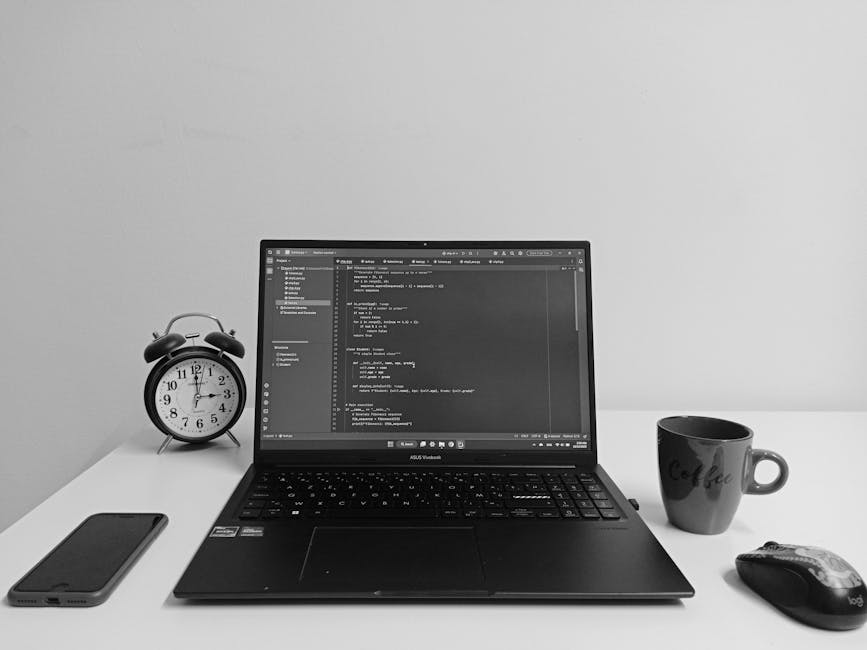
It's a Tuesday afternoon, and the desk is cluttered with a mix of notebooks, a laptop, and a half-finished cup of coffee. As a freelancer, the task list on the calendar sidebar stares back, demanding attention. The top three tasks are still the same as yesterday, never rewritten or reassessed. With each glance at the screen, the allure of opening new tabs pulls focus away from the pressing household tasks that need tackling. The simple act of switching from one task to another feels manageable until the energy drain becomes apparent, and the desk surface no longer matches the task sequence.
This moment of planning reset reveals a hidden friction: the energy-aware planning that often gets overlooked. As the afternoon dip approaches, the impulse to jump between tasks can lead to a chaotic workflow. Missing the check on the task list means that the most critical items get sidelined. Instead of a clear path forward, there’s a jumble of half-finished tasks and a growing sense of overwhelm. The simple act of prioritizing tasks based on energy levels can slip through the cracks, making daily productivity harder than it appears.
The Overlooked Task List Shuffle
Amidst the clutter of scattered papers and an open laptop displaying a task management app, the freelancer sits at their desk, ready for a short planning reset. The afternoon light filters through the window, casting a warm glow on the task list pinned to the wall. With a glance at the screen, they note the top three tasks remain unchanged, even as energy levels fluctuate throughout the day. The allure of task switching looms large, yet the reality of managing household tasks often reveals hidden costs that aren’t immediately visible.
As the freelancer prepares to dive into the next work session, the desk surface feels chaotic, mismatched with the sequence of tasks at hand. The impulse to open new tabs distracts from the pressing need to rewrite those top three tasks, which have become stale and unresponsive to the current energy flow. This moment of indecision highlights a critical friction point: without an active check on the task list, the most important items risk being overlooked. The simple act of aligning tasks with energy levels can transform the workflow, but it requires a conscious effort to resist the easy pull of task switching and focus on what truly needs to be done.
When the Routine Starts to Slip
Notifications from the phone light up the corner of the screen, each ping pulling attention away from the task list sprawled across the desk. The freelancer glances at the calendar sidebar, where the day’s focus block is neatly outlined, but the distraction makes it hard to remember the top three tasks that should anchor this work session. Without a moment to pause and rewrite those priorities, confusion creeps in, leading to a sense of urgency that feels misplaced.
As the freelancer settles back into the chair, the realization hits: the top three tasks remain unchanged from yesterday, reflecting a stale approach that no longer aligns with current energy levels. This oversight is more than a simple mistake; it’s a missed check that disrupts the flow of the day. The desk, cluttered with papers and half-open tabs, mirrors the chaotic state of the mind, making it difficult to focus on what needs to be done next.
To regain control, a quick action is necessary: the freelancer grabs a sticky note and writes down the three tasks that feel most pressing at this moment. This small shift—revising the task list—becomes a vital step in re-establishing clarity. However, the underlying friction of task switching remains, as the allure of opening new tabs continues to linger. The balance between managing energy and maintaining focus is delicate, and without consistent checks in place, the routine risks slipping further away.
This same friction shows up again in Focus Without Burnout, especially when the day tightens unexpectedly.
Revising the Top Three Tasks for Clarity
The task list sits on the desk, a jumble of scribbled notes and reminders, but the top three tasks remain unchanged from yesterday. As the afternoon slump approaches, the freelancer glances at the calendar sidebar, realizing that energy levels fluctuate throughout the day. The tasks that seemed manageable in the morning now feel daunting. This moment of clarity prompts a quick decision: it’s time to rewrite those top three tasks on a sticky note, ensuring they reflect current priorities and energy.
With the sticky note in hand, the freelancer prioritizes tasks based on what can realistically be accomplished in the next hour. The first task is shifted to the top, a simple email that requires minimal mental energy. Next, a more involved project is moved down the list, saving it for a time when focus can be sharpened. This small adjustment—revising the task order—creates a clearer path forward. However, the desk’s clutter still beckons with distractions, and the temptation to switch tasks lingers, reminding the freelancer that without a visible task list, maintaining focus will remain a challenge.
Carrying Forward a Clearer Focus
If this pattern keeps repeating, Managing Energy Not Time extends the idea without leaving the niche.
After rewriting the top three tasks on a sticky note, the freelancer notices an immediate shift in their mindset. The desk surface, previously cluttered with papers and random notes, now feels more organized, mirroring the clearer workflow. The simple act of prioritizing tasks allows for a smoother transition into the next work session, reducing the mental clutter that often leads to task switching.
As the freelancer settles into the afternoon, they open a calendar sidebar to block out a focus hour, aligning tasks with their current energy. The first task on the sticky note—a quick email—gets tackled first. This choice proves effective; the email requires minimal effort and sets a positive momentum for the rest of the session. Following that, the freelancer shifts to a more complex project, now feeling ready to engage deeply with the material.
However, the lingering temptation to switch tasks remains a challenge. Without a visible task list in front of them, it’s easy to lose sight of priorities. The freelancer realizes that maintaining this organized approach will require consistent effort to rewrite and adapt the task list as energy levels fluctuate. This small adjustment not only enhances efficiency but also fosters a sense of control over the day’s workload.
As the afternoon dip approaches, the freelancer faces the hidden costs of task switching head-on. The desk surface, cluttered with various notes and reminders, doesn’t align with the current task sequence. This disorganization makes it easy to overlook the top three tasks that need rewriting. Without a clear visual anchor, the temptation to jump between tasks can derail focus and drain energy.
To counter this, they decide to take a moment to clear their desk and create a visible task list. By prioritizing the top three tasks again, they set themselves up for a more focused work session. This simple act of rewriting not only clarifies their objectives but also helps manage energy more effectively, making each task feel more achievable. Recognizing these friction points transforms the ordinary task of planning into a powerful strategy for maintaining productivity throughout the day.