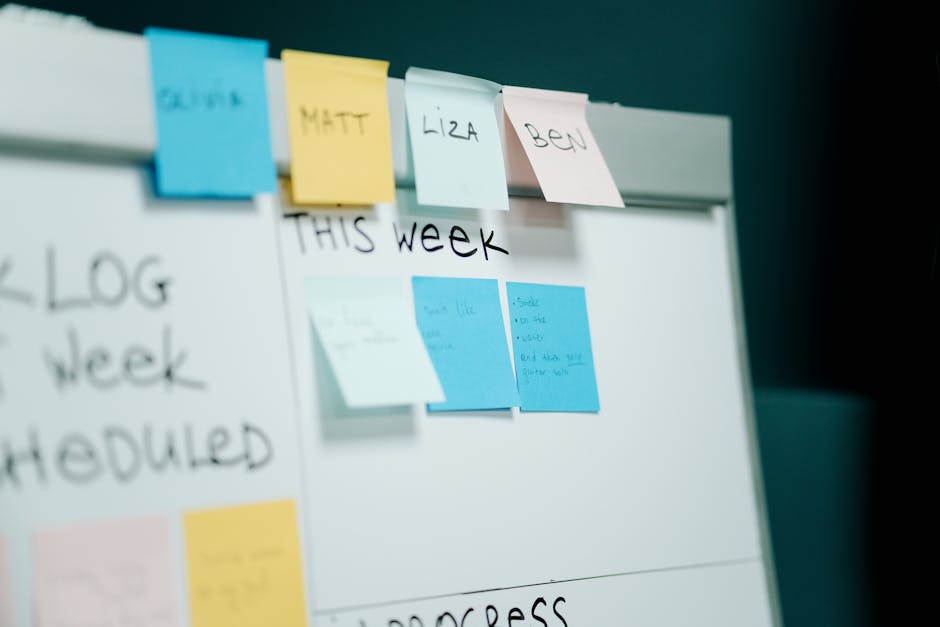
Rethinking Household Task Management: From Default to Effective

It's a Wednesday afternoon, and your task notebook is open on the desk, filled with a long list of household tasks. You glance at the clock—only two hours left before your next meeting. The top three tasks, which you never bother to rewrite, stare back at you, but the notifications from Slack and email keep interrupting your focus. Each ping pulls your attention away, making it hard to prioritize what actually needs to get done. You start to feel the weight of the calendar block looming over you, reminding you that time is slipping away.
As you toggle between your task list and the various apps, you realize that the typical approach of managing tasks—jotting them down and hoping for the best—leaves you scrambling. The constant task switching not only disrupts your workflow but also dilutes your energy. Each time you return to the notebook, the same tasks await your attention, but the clarity of purpose is lost in the chaos. You wonder if there’s a better way to align your task order with your actual energy levels, especially on days packed with meetings.
The Default Method: Juggling Too Many Tasks
On a typical weekday, your task notebook lies open, filled with a sprawling list that seems to grow longer by the minute. You glance at the top three tasks, which you’ve written down but never bothered to rewrite or prioritize. As you prepare for your next meeting, the familiar chime of Slack notifications pulls your attention away, leaving you torn between focusing on your tasks and responding to distractions. Each ping is a reminder that you’re not just managing tasks; you’re juggling them, and the chaos is palpable.
Initially, this method feels reasonable. You think that by keeping everything in one place, you can stay organized. However, as notifications from email and Slack flood in, your attention splinters. You toggle between your task list and various apps, trying to remember what you were working on before the last interruption. The constant task switching not only disrupts your workflow but also drains your energy. The calendar block looms over you, and you realize that the cluttered task list is doing more harm than good. To regain control, consider blocking a focused session where you tackle just one task from that list, free from distractions. This simple move can help clarify your priorities and restore some much-needed focus.
Where the Default Falls Short: Attention Fragmentation
On days packed with meetings, the default method of managing household tasks can quickly become overwhelming. You sit at your desk, glancing at your task notebook, which is filled with items that need attention. However, as the clock ticks down to your next meeting, the notifications from Slack and email start pouring in. Each ping pulls your focus away from the tasks at hand, making it nearly impossible to complete even the simplest items on your list.
This constant task switching creates a cycle of inefficiency. You find yourself toggling between your task list and various apps, trying to remember what you were working on before the last interruption. The more you switch, the more fragmented your attention becomes, and soon, the original task feels buried under layers of distractions. The calendar block that once seemed manageable now looms large, reminding you of all the unfinished work piling up in the background.
To counteract this, consider blocking a focused work session where you tackle just one task from your list. For example, set a timer for 25 minutes and commit to only that task, closing unnecessary tabs and silencing notifications. This small adjustment can help you regain some clarity and momentum. By prioritizing one task at a time, you can reduce the chaos and make tangible progress, rather than feeling like you’re spinning your wheels in a sea of distractions.
A More Workable Alternative: Focused Task Blocking
A slightly different version of this problem appears in Managing Energy Not Time, where the sequence changes but the hidden drag feels familiar.
On days packed with meetings, the chaos of juggling tasks can feel overwhelming. You glance at your task notebook, filled with a long list of chores and projects, and it’s easy to feel lost. Notifications from Slack and email constantly ping, pulling your attention away from the tasks at hand. This scattered approach often leads to a frustrating cycle of task switching, leaving you with a sense of unfinished business.
Instead of trying to tackle everything at once, consider implementing a calendar block specifically for focused work sessions. Choose a quiet hour in your day, perhaps right after lunch when energy levels are typically higher, and set aside that time for one task only. For instance, if your top priority is to draft a proposal, block out 60 minutes on your calendar labeled "Proposal Drafting". During this time, close all irrelevant tabs and silence notifications. This clear boundary allows for deeper concentration, reducing the mental clutter that comes from multitasking.
Additionally, maintain a visible task list that highlights your top three tasks without the need to rewrite them daily. This keeps your focus sharp and prevents the overwhelm of a lengthy list. When you sit down for your focused work session, simply refer to this list, ensuring that you’re always tackling what matters most. By prioritizing fewer tasks and dedicating uninterrupted time to them, you can transform your workflow habits and make significant progress, rather than merely skimming the surface of your to-do list.
The Tradeoff: Less Flexibility for Greater Focus
If this pattern keeps repeating, Focus Without Burnout extends the idea without leaving the niche.
When managing household tasks during busy meeting days, the choice between a flexible approach and a more structured one can significantly impact productivity. A freelancer juggling multiple commitments often finds their task list growing longer than the available time. The constant interruptions from Slack or email notifications can split attention, making it challenging to stay on track. Here’s a breakdown of the tradeoffs involved in adopting a more focused task management method.
- Enhanced focus: By blocking out specific time slots for tasks, you can dive deeper into your work. For instance, if you set a calendar block for "Client Proposal" from 10 to 11 AM, you minimize distractions and can concentrate fully on drafting.
- Reduced overwhelm: With a visible task list that highlights only the top three priorities, you avoid the mental clutter of a lengthy to-do list. Instead of rewriting tasks daily, simply check off items as they’re completed, keeping your attention on what truly matters.
- Increased task completion rate: A structured workflow allows for more efficient use of time. When you dedicate a focus block to a specific task, you’re likely to finish it within the allotted time rather than leaving it half-done due to constant task switching.
However, this method requires discipline to adhere to a schedule, which can feel rigid compared to a more spontaneous task management style. The tradeoff might seem steep, but the benefits of enhancing focus and reducing overwhelm often outweigh the drawbacks, especially on days filled with meetings. Finding the right balance between flexibility and structure can lead to a more productive workflow.
When That Alternative Fits Better
On busy meeting days, the chaos of notifications can quickly derail your focus. As a freelancer, you might find your attention splintered between Slack pings, email alerts, and a sprawling task list. Instead of letting these distractions dictate your workflow, consider employing a calendar block to carve out dedicated focus sessions. This means setting aside specific time slots on your calendar—perhaps an hour before lunch—where you commit to tackling your top three tasks without interruption.
During these focus blocks, keep your task notebook open and visible. Write down the three tasks you plan to accomplish, ensuring they align with your energy levels. For instance, if you know you tend to hit a productivity slump after lunch, schedule more demanding tasks in the morning. The act of writing these tasks down not only solidifies your intentions but also serves as a visual reminder to minimize task switching. When the clock strikes the start of your focus block, silence your notifications and close any unnecessary tabs. This small adjustment can significantly enhance your ability to complete tasks, as it reduces the likelihood of getting sidetracked.
However, the challenge lies in adhering to this structure amidst a busy calendar. While it may feel restrictive compared to a more fluid approach, the clarity gained from this method often outweighs the initial discomfort. You might discover that blocking time for focused work not only boosts your task completion rate but also helps you navigate the chaos of a packed schedule more effectively.
When the calendar is overflowing with meetings and notifications from Slack or email are constantly pulling your attention, it’s easy to lose sight of your most important household tasks. The default method of juggling multiple tasks often leads to a scattered focus, leaving key items on your task list untouched. Instead of letting your energy dictate your task order, consider blocking out a focused work session. This means designating specific times in your calendar solely for completing tasks, free from distractions.
To make this effective, start by checking your task notebook to identify the top three tasks that need your attention. Write them down on a separate visible task list, ensuring they remain front and center during your focus block. By doing this, you create a clear path for your workflow, making it easier to resist the urge to switch tasks. The next time your calendar is packed, take a moment to block out that focused time; it could transform how you manage your household tasks amidst the chaos.