Navigating Household Tasks: When Small Choices Create Big Challenges
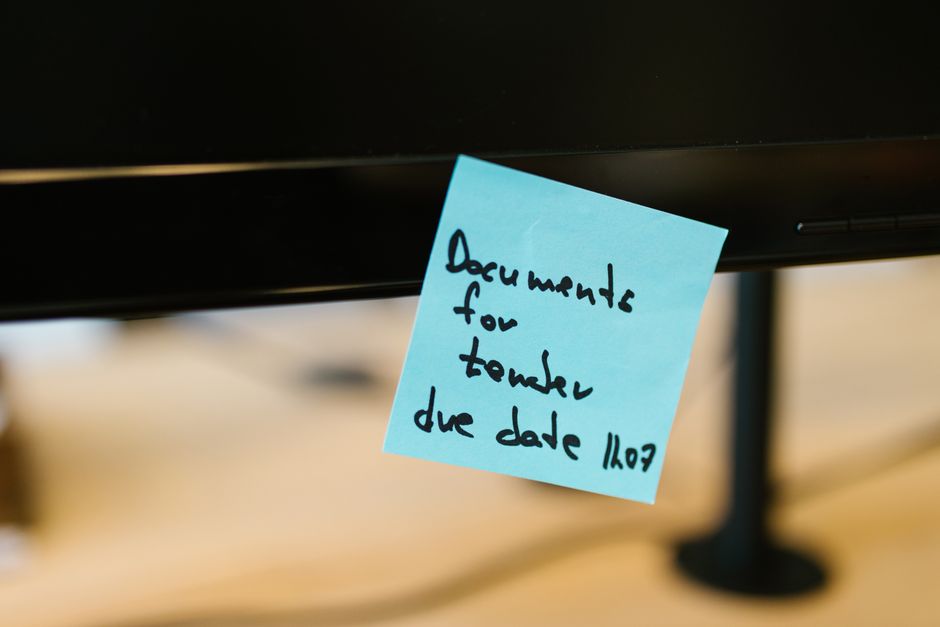
It's a Tuesday afternoon, and the desktop monitor edge is cluttered with open tabs, each representing a task that needs attention. Between two interrupted focus blocks, the task list is visible but disorganized, with small admin tasks creeping into the forefront. The top three tasks never get rewritten, lingering like a weight on the mind while the real work gets pushed aside. As the clock ticks closer to the next meeting, the pressure mounts to clear away the administrative clutter, yet the small tasks seem to multiply, crowding out the more significant projects.
With each switch from one task to another, the workflow habits begin to fray. The calendar overload from back-to-back meetings makes it easy to overlook the need for a focused work session. Moving admin tasks to later in the day feels like a simple fix, but the reality is that without a clear plan, those tasks just pile up. The momentary distraction of checking off a small item can derail the entire afternoon, leaving the remote worker juggling too many priorities without a clear path forward.
The Pressure of Overlapping Tasks
Amidst a sea of open tabs, the remote worker stares at the cluttered desktop, where reminders for small admin tasks flash like neon signs. Each notification pulls attention away from the primary focus block, which is meant for tackling a significant project due by the end of the day. With the clock ticking closer to the next meeting, the urgency mounts. The top three tasks on the visible task list remain unchanged, a constant reminder of what truly needs attention, yet they’re overshadowed by the growing list of minor tasks that seem to multiply with every glance.
Switching gears to handle these smaller items feels like a necessary evil, but it disrupts the workflow. The act of checking off a simple task can lead to an hour lost in task switching, where the real work gets pushed aside. Instead of prioritizing the essential project, the remote worker finds themselves entangled in a web of administrative clutter. Moving the admin tasks to later in the day could alleviate some pressure, but without a concrete plan for that adjustment, they risk piling up again. The challenge lies not just in managing the tasks but in recognizing how easily the focus can slip away when faced with overlapping deadlines and distractions.
The First Choice That Disrupts Focus
Each morning, the remote worker sits down at their desk, surrounded by a flurry of open tabs on their monitor. The task list, pinned to the edge of the screen, stares back with three critical projects waiting for attention. Yet, the temptation to tackle small admin tasks first often proves too strong to resist. This choice, made in the heat of a busy workday, sets off a chain reaction that can derail the entire workflow.
- Handling minor emails and quick updates feels productive, but it often leads to a cluttered desktop and a scattered mind.
- Ignoring the larger tasks creates a false sense of accomplishment, as the real priorities languish untouched.
- As the clock ticks, the admin tasks multiply, pushing the essential projects further down the list and increasing the pressure.
During these ordinary weekday moments, the remote worker finds themselves in a cycle of task switching, where the focus blocks intended for deep work are interrupted by the siren call of quick wins. The immediate satisfaction of checking off a small task can feel rewarding, but it often results in a cluttered workspace and a growing sense of anxiety about the larger projects. Moving the admin tasks to later in the day could help reclaim focus, but without a clear strategy for doing so, they risk becoming yet another source of distraction.
The Cost of Prioritizing Admin Tasks
A slightly different version of this problem appears in Managing Energy Not Time, where the sequence changes but the hidden drag feels familiar.
As the clock inches closer to noon, the remote worker glances at the cluttered edge of their desktop monitor, where a task list is pinned. The top three tasks—two major projects and one looming deadline—remain unaltered, overshadowed by a growing list of minor admin tasks. Each email ping and quick update feels like a productive use of time, but in reality, these small tasks consume precious focus blocks that could be dedicated to the priority work.
Every minute spent on admin tasks chips away at the time available for deeper work. The mental clutter escalates with each task switch, as the worker toggles between responding to emails and preparing for meetings. This constant shifting not only disrupts concentration but also builds frustration as deadlines approach. The initial tradeoff seems minor: a quick reply here, a small task there. Yet, as the day progresses, the cumulative effect becomes evident. What started as a plan for a focused work session morphs into a scramble to meet deadlines, with the essential projects pushed further down the list.
To mitigate this, a simple adjustment can be made: move admin tasks to later in the day. By placing them after the focus blocks, the worker can reclaim valuable time for the priority projects. However, without a visible task list that prioritizes these larger tasks, they risk falling into the same trap of distraction. The cost of prioritizing admin tasks shows up later, often as a last-minute rush to complete work that should have been tackled earlier, leading to a cycle of stress that could have been avoided.
A Better Order for Daily Tasks
If this pattern keeps repeating, Focus Without Burnout extends the idea without leaving the niche.
On a busy weekday, the clutter on a remote worker's desktop monitor edge often tells a story of chaos. A task list filled with small admin items, like replying to emails and scheduling meetings, can easily overshadow the top three priority projects. When these small tasks are interspersed throughout the day, they create a constant cycle of task switching that disrupts focus blocks. The result? Essential work gets pushed aside, leaving the worker scrambling to meet deadlines.
After recognizing this pattern, a shift in approach can lead to significant improvements. By rearranging the task list to emphasize the three main priorities at the start of the work session, the worker can maintain clarity and focus. Moving admin tasks to the end of the day allows for uninterrupted focus blocks earlier on. This simple adjustment not only clears the mind but also ensures that the most critical projects receive the attention they deserve. Instead of being buried under a pile of minor tasks, the top priorities are front and center, making it easier to dive into deep work without distraction.
Choosing to prioritize tasks in this way holds up better on crowded days because it creates a structured workflow. The worker can open their task list, see the top three priorities clearly, and commit to them first. This decision reduces the likelihood of getting sidetracked by less important tasks. As a result, the worker can complete meaningful work earlier in the day, leaving admin tasks for later when energy levels may be lower. Ultimately, this simple reordering of tasks fosters a more productive work environment, allowing for greater focus and efficiency.
What Runs More Smoothly After That
After shifting admin tasks to later in the day, the desktop monitor edge becomes a clearer space for focus. Instead of a tangle of notes and reminders, the top three tasks are now easily visible on the task list, neatly prioritized for immediate action. This simple adjustment means that during those busy workdays filled with meetings and distractions, the worker can dive straight into deep work without the clutter of smaller tasks clouding their mind.
When the time comes for the next focus block, the worker can open their task list and see exactly what needs attention first. The decision to prioritize effectively creates a smoother workflow; it’s easier to engage with the most critical projects when they’re front and center. As a result, the transition into the work session feels seamless, reducing the friction that often comes from switching tasks. The admin tasks, now scheduled for the afternoon, no longer crowd the morning hours, allowing for a more productive start to the day.
This carry-forward effect becomes noticeable as the worker finds themselves completing meaningful tasks earlier. The clarity gained from desk planning leads to a more structured approach, where each focus block is respected and utilized to its fullest potential. However, it’s essential to keep an eye on the task list to ensure that the top three tasks are consistently updated; otherwise, the risk of slipping back into old habits looms just around the corner.
Amid the chaos of a busy workday, the clutter on your desktop can easily overshadow the tasks that truly matter. When admin tasks pile up, they often distract from your primary objectives, leading to a day filled with interruptions rather than accomplishments. This is particularly evident when you glance at your task list and notice that the top three tasks haven’t been rewritten, signaling a missed opportunity to refocus your efforts. Each time you switch tasks without addressing the most pressing items, you risk further derailing your workflow.
To regain control, consider moving those smaller admin tasks to later in the day. This simple adjustment allows you to clear your morning focus blocks for more significant work, ensuring that your attention remains on what drives your productivity. Make it a habit to check your task list at the beginning of each focus block, verifying that the most critical items are prioritized and visible. By doing so, you’ll create a more intentional workflow that respects your time and energy, ultimately making the management of household tasks feel less daunting.


