Why Task Switching Often Works Better With a Smaller Setup

It's a Tuesday afternoon, and the browser tab row is cluttered with open documents and emails. The task list sits on the desk, staring back with three priority items that need attention. The simple act of switching from the calendar to the working document feels manageable until the focus block hits, causing a cascade of distractions. Suddenly, the mind races through other tasks, and the initial plan to tackle the household chores slips further down the priority list.
This moment captures a common friction point in household task management. The intention to dive into the work session is disrupted by the overwhelming array of options in the browser and the nagging feeling of unfinished emails. Each switch between tasks incurs a hidden cost, making it harder to regain focus.
The Routine That Should Work
On a typical Tuesday afternoon, the remote worker sits at a desk cluttered with a task list and a row of browser tabs, each one a potential distraction. Notifications from email and messages ping in the background, pulling attention away from the task at hand.
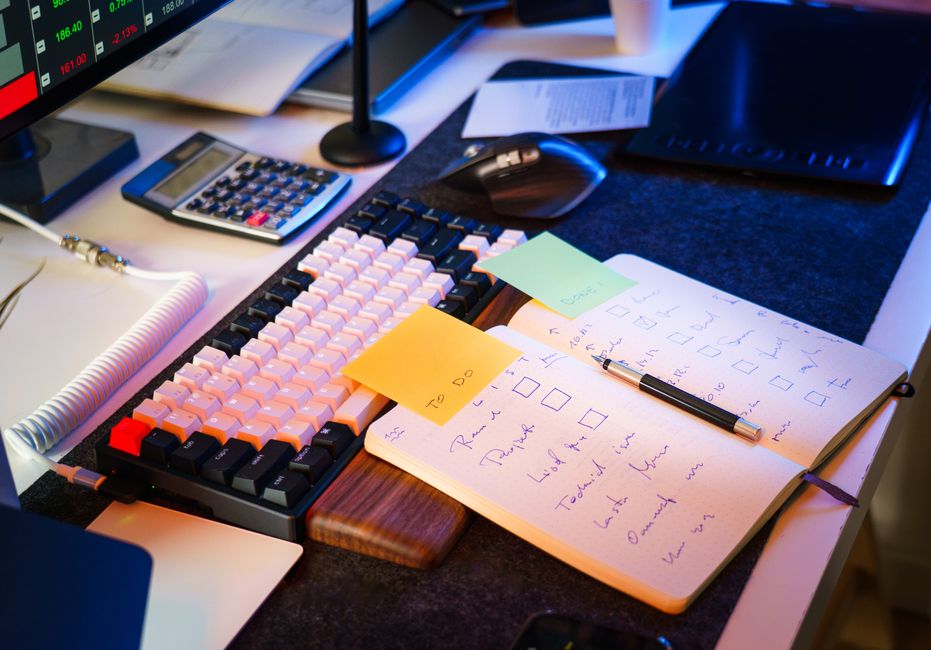
Each switch between tasks incurs a hidden cost, making it harder to regain focus. To combat this, a practical move is to rewrite the top three tasks on a fresh sheet, placing it directly in front of the computer. This small adjustment can help refocus attention, but the challenge remains: how to manage the constant pull of task switching while staying true to the intended workflow.
Where the Focus Block Breaks First
In a typical work session, the remote worker glances at the calendar app before opening the working document. This moment, seemingly innocuous, reveals the first crack in the workflow. The calendar shows a mix of tasks and appointments, each one a potential distraction. Notifications from email and messaging apps pop up in the corner of the screen, pulling focus away from the intended task. With each ping, the urge to switch tasks grows stronger, leading to a pattern of task switching that disrupts productivity.
- Check the calendar for appointments or deadlines before opening documents.
- Limit notifications by muting email alerts during focused work sessions.
- Keep a visible task list on the desk to remind you of priorities.
This snag creates a delay, and the first visible sign of drift appears as attention shifts from the primary task to the growing list of emails. The simple act of checking the calendar before diving into the work document can lead to a cascade of distractions, making it crucial to manage these moments effectively.
Why This Breakdown Happens Repeatedly
During a typical weekday, the browser tab row becomes a chaotic landscape, filled with multiple open tabs that represent unfinished tasks, articles to read, and emails waiting for replies. This clutter can create a sense of overwhelm, making it difficult to focus on the most pressing household tasks.
This tendency to prioritize immediate distractions over planned tasks reveals a hidden cause of focus blocks. Each time a notification pops up, the urge to switch tasks becomes stronger, leading to a cycle of task switching that derails your workflow.
One ordinary-life constraint at play is the pressure to respond quickly to incoming messages. This tradeoff between immediate responsiveness and deep focus can create friction in your task management. To counter this, a practical check before opening any documents is essential: take a moment to rewrite your top three tasks on a visible task list. This simple act not only clarifies your priorities but also serves as a reminder of what truly needs your attention, reducing the likelihood of getting sidetracked by less important tasks.
As you sit at your desk, the act of moving your focus from the calendar to your task list can create a small but significant shift in your workflow habits. By consciously deciding to prioritize the tasks you've written down, you can mitigate the overwhelming pull of distractions and reclaim your focus, making it easier to navigate through the noise of a busy household environment.
A Simple Correction to Strengthen Focus
A slightly different version of this problem appears in Managing Energy Not Time, where the sequence changes but the hidden drag feels familiar.
Before diving into a focused work session, take a moment to rewrite your top three tasks on a visible task list. This action serves as a crucial checkpoint, especially when your calendar is open and distractions loom large. Sitting at your desk, you might notice the browser tab row filled with email notifications and project updates, each vying for your attention. By prioritizing your tasks in writing, you create a physical reminder of what truly needs your focus, reducing the temptation to switch gears impulsively.
Next, limit the number of open tabs to enhance concentration. This small correction can significantly decrease the switching costs that often derail your productivity. This way, when you glance at your screen, the clarity of your task list and the limited distractions can help maintain your focus.
In this sequence, the act of rewriting your tasks comes before you even open the document. By shifting your attention from the calendar to your task list, you set a clear intention for your work session. The simple act of moving your focus can create a ripple effect, allowing you to tackle your tasks with greater efficiency. Recognizing this friction point can help you adjust your workflow habits, ensuring that you don’t lose sight of your priorities amidst the noise of a busy household.
What Changes Once That Fix Repeats
If this pattern keeps repeating, Focus Without Burnout extends the idea without leaving the niche.
After revising your task list, the clutter on your browser tab row becomes less overwhelming. Instead of juggling multiple open tabs, you can focus on just the essential ones related to your immediate tasks. This shift not only clears visual distractions but also streamlines your workflow, allowing you to dive into your work session with a clearer mind.
When you sit down for your next focus block, the first thing you notice is the absence of that familiar tension. As you check your task list, you see the top three tasks clearly laid out, ready for attention. Instead of scrolling through emails or other tabs, you can directly open the document needed for your first task. This small adjustment makes it easier to engage with your work, reducing the time spent on task switching.
During this ordinary weekday moment, the calendar check that once pulled you away from your tasks now serves as a quick reference point. You glance at it to confirm your priorities, but it no longer derails your focus. The act of rewriting tasks before opening the document creates a smoother transition into your work session, allowing you to tackle each task with renewed intention. By consistently applying this correction, you cultivate a more efficient approach to household task management, minimizing the friction that often disrupts your focus.
As you sit at your desk, the browser tab row still cluttered with distractions, a clear path emerges when you focus on the task list. Each time you rewrite the top three tasks before diving into your work session, you create a deliberate entry point. This simple act not only clarifies your priorities but also minimizes the mental load that often leads to focus blocks. Instead of getting sidetracked by an email notification or a tempting social media tab, you can immediately open the document for your first task, allowing for a smoother transition into focused work.
During these ordinary weekday moments, the calendar check becomes a tool rather than a distraction. By confirming your priorities at a glance, you set the stage for efficient task management. The next time you sit down to work, take a moment to rewrite your top three tasks first. This small adjustment can significantly reduce the friction that disrupts your workflow, paving the way for a more productive session ahead.