The Step That Gets Missed First in Managing Household Tasks
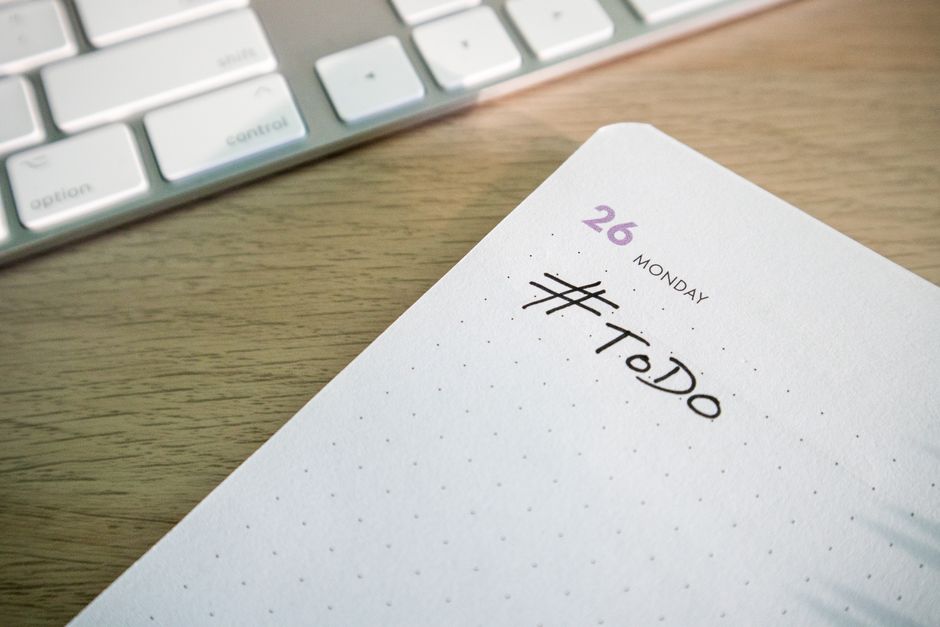
It's a typical Tuesday morning, and the cluttered desktop is already filled with open browser tabs, each vying for attention. The task list, scribbled on a notepad, sits just to the right of the keyboard, partially obscured by a half-empty coffee cup. This moment of desk planning feels familiar yet fraught with friction, as the intention to dive into the top three tasks slips further away.
Before even opening the working document, the mind races through a mental checklist of what needs to be accomplished. However, the act of switching between the calendar and various tabs creates a disconnect. Each glance at the calendar pulls focus from the actual tasks at hand, and the visible task list becomes a mere backdrop to the chaotic scene. The crucial step of rewriting the top three tasks is overlooked, leaving the most important actions lost in a sea of distractions. This missed check becomes a barrier, making it harder to transition into a productive workflow, as the cluttered desktop serves as both a physical and mental roadblock to effective time management.
The Routine That Should Work
Each morning, the remote worker sits at a cluttered desk, a task list open on the screen, ready to outline the day’s priorities. The calendar, filled with color-coded blocks, sits in another tab, promising structured focus sessions. However, as the worker glances back and forth between the task list and calendar, the intended flow begins to falter. Instead of diving into the top three tasks, the worker finds their attention split. The calendar blocks, meant to create dedicated work time, instead become a source of distraction, drawing focus away from the actionable tasks.
When the worker finally decides to rewrite the top three tasks, the action feels like an afterthought, squeezed in between checking emails and scrolling through notifications. The task list, which should serve as a guiding beacon, becomes obscured by the chaos of open browser tabs. This sequence of actions—checking the calendar, then the emails, and finally attempting to refocus on tasks—creates a friction that disrupts the workflow.
After a few minutes of this back-and-forth, the worker realizes the calendar check should come after establishing the top tasks. A small adjustment, such as closing unnecessary tabs or minimizing distractions before starting the planning process, could streamline the transition into a productive work session. This shift in order can make a significant difference in maintaining attention management throughout the day.
Where the Routine Breaks Down First
During a typical weekday moment, a remote worker sits at a cluttered desk, surrounded by a sea of open browser tabs. The task list, intended to guide the day’s work, is often buried beneath a stack of emails and notifications. This setup creates an immediate friction point: instead of diving into the top three tasks, the worker instinctively checks the calendar first, thinking it will help prioritize the day. However, this action leads to a cascade of distractions as new emails pop up, pulling focus away from the tasks at hand.
This is the first visible sign of drift—what should have been a straightforward task planning session morphs into a chaotic email review. The worker's attention shifts from the task list to the ever-growing list of unread messages, causing a delay in starting the actual work session. The original intention of using the calendar to frame the day’s tasks becomes lost in the shuffle.
A practical adjustment could be to close unnecessary tabs before even opening the calendar. This small change allows the worker to see the task list clearly, making it easier to identify priorities without the distraction of pending emails. By establishing the top tasks first, the worker can then check the calendar for time blocks, ensuring that the focus stays on actionable items rather than getting sidetracked by the clutter of the desktop. This sequence shift not only streamlines the planning process but also enhances attention management, allowing for a more productive work session to follow.
If this pattern keeps repeating, Focus Without Burnout extends the idea without leaving the niche.
Reasons for Repeated Failures
During a typical weekday, the cluttered desktop setup can quickly become a barrier to effective desk planning. With too many browser tabs open, the worker is faced with a mental overload that clouds their focus. The task list, meant to guide the day, gets buried under a sea of distractions, making it hard to pinpoint what needs immediate attention.
- Too many open browser tabs create mental clutter, making it difficult to concentrate on the task list.
- Immediate notifications from email disrupt focus; each ping pulls attention away from planned tasks.
- Lack of a clear priority leads to task switching, as the worker jumps between tabs instead of sticking to the top three tasks.
The hidden cause here is the overwhelming number of tasks competing for attention, which creates a tradeoff: the worker spends more time managing distractions than executing the planned work session. A practical move would be to close irrelevant tabs before starting the planning process. This simple action clears the workspace, allowing the task list to take center stage and enabling a smoother transition into focused work.
A Small Change That Makes a Big Difference
During a typical weekday morning, the cluttered desktop is a familiar sight. Open browser tabs compete for attention, with one tab displaying a calendar and another a list of tasks. Before diving into a focused work session, a quick glance at the calendar often leads to a missed opportunity for effective desk planning. Instead of prioritizing tasks, the worker finds themselves distracted by notifications and the sheer volume of open tabs, which can easily lead to a chaotic start.
To regain control, rewriting the top three tasks on a sticky note can be a game changer. This small action, performed before opening any digital documents, helps clarify priorities. The sticky note, placed prominently on the side of the monitor, serves as a constant reminder of what truly needs to be accomplished. By focusing on these three tasks, the worker can avoid the common pitfall of task switching that occurs when attention is divided among too many open tabs.
In this case, the simple act of prioritizing tasks on a sticky note not only clears mental clutter but also allows the task list to take center stage. This adjustment makes it easier to resist the urge to check emails or other distractions, ensuring that the most important tasks are addressed first. Without this small correction, the worker risks getting lost in a sea of distractions, ultimately hindering productivity.
A Quick Check That Prevents More Drift
Before diving into a focused work session, take a moment to scan your open browser tabs. This simple action can save time and prevent distractions. If your calendar shows a block for household tasks, ensure that your task list aligns with that time slot. Place a sticky note on your monitor with the top three tasks you want to tackle during this block. This visible cue keeps your priorities front and center, reducing the temptation to drift into less important tasks.
As you prepare for your session, check that the task list is easily accessible. If it’s buried under a pile of notes or hidden within a digital file, you risk losing focus as you hunt for it. Instead, keep the list pinned to the side of your screen or on a clipboard at your desk. This way, when you check your calendar, you can immediately refer to your priorities without losing momentum. Missing this step often leads to opening emails or other tabs, which can derail your productivity before you even start.
What Changes Once That Fix Repeats
A slightly different version of this problem appears in Managing Energy Not Time, where the sequence changes but the hidden drag feels familiar.
Once the task list is consistently visible during desk planning, the shift in workflow becomes apparent. Instead of the usual chaos of multiple tabs vying for attention, the screen now showcases a single, prioritized list pinned to the side. This simple adjustment allows for a direct line of sight to what truly matters, transforming the approach to each calendar block.
During the next scheduled work session, the difference is striking. With the task list at hand, the remote worker can dive straight into the first task without the usual detour through email or social media. The calendar block becomes a focused zone rather than a launching pad for distractions.
To reinforce this new habit, a quick check before each session ensures that the task list remains updated. If a new priority arises, it gets added right away, keeping the workflow dynamic yet organized. This ongoing adjustment not only enhances focus but also builds a rhythm that makes the next calendar block feel more productive and less fragmented. Without the clutter of unnecessary tabs, the worker can maintain momentum, allowing for a smoother transition between tasks.
As the remote worker sits down for the next calendar block, the cluttered desktop becomes a reminder of what needs to change. The browser tab row, filled with distractions, can easily pull focus away from the task at hand. Instead of diving into the email that expands with every notification, the first step should be to rewrite the top three tasks on the task list. This simple act not only clarifies priorities but also sets the tone for a more productive session.
Checking the task list before opening any other tabs ensures that the focus remains sharp. This small adjustment creates a direct pathway to accomplishing household tasks effectively, turning desk planning into a streamlined process that supports daily productivity.