A More Useful Way to Approach Attention Management
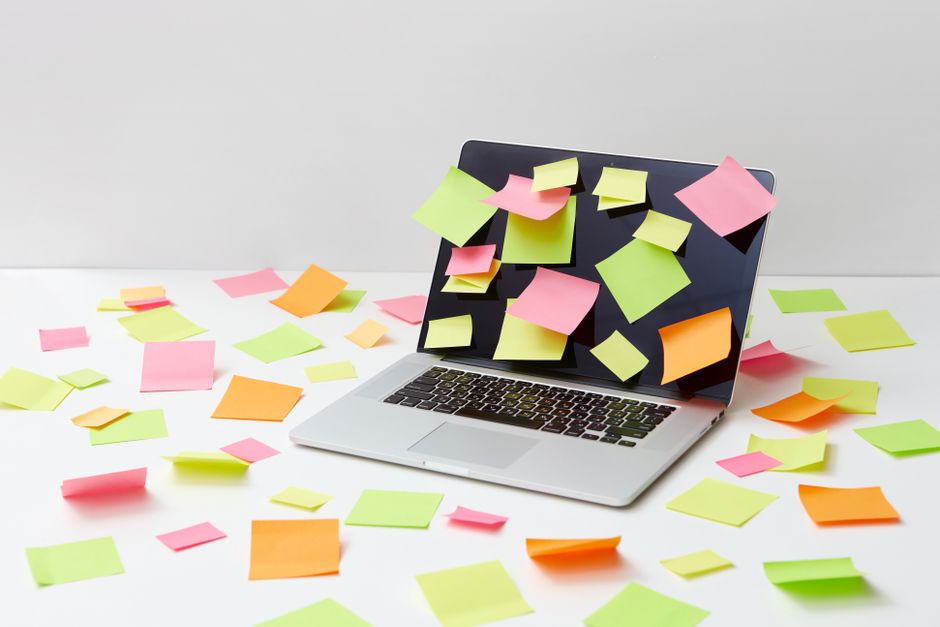
As a remote worker, I sit down to begin a focused work session, but the first task is often checking the calendar. This small ritual can quickly derail my intentions, as I find myself scrolling through upcoming events instead of diving into the tasks at hand.
This moment of distraction highlights a friction point in managing household tasks amidst work responsibilities. Instead of sticking to the visible task list pinned to the side of my screen, I get caught in a loop of task switching. The calendar check, rather than serving as a guide, becomes a detour that buries the next useful action under layers of setup clutter. Each time I glance at the screen, I see the potential for productivity slip away, revealing how easily focus can be lost in the chaos of household task management.
The Routine That Should Work
On an ordinary weekday, I sit at my cluttered desk, surrounded by a jumble of notebooks and sticky notes, ready to tackle my household tasks. Before diving into my work session, I pull up my dedicated task list, which I’ve pinned to the side of my screen. The list is meant to guide me through the day, but often, the first action I take is checking the calendar instead. This seemingly harmless step can quickly spiral into a distraction, as I find myself scrolling through upcoming events, losing sight of what I had planned to accomplish.
In an ideal workflow, I would open my work document and immediately refer back to the task list, prioritizing the top three items that need attention. However, the reality is that the calendar check buries the next useful action under layers of setup clutter. To counteract this, I’ve started placing my task list directly in front of my keyboard, making it the first thing I see when I sit down. This simple adjustment helps me resist the urge to switch tasks before I even start, but it’s a constant battle against the pull of my browser tab row, where a dozen open tabs beckon for my attention. As I try to reclaim my focus, the friction of task switching becomes all too evident, highlighting the need for a more disciplined approach to managing household tasks during my work sessions.
Where the Breakdown Begins
During a typical weekday moment, I find myself staring at a browser tab row cluttered with open emails, documents, and a few stray articles I intended to read later. Each tab represents a distraction, pulling my attention away from the household tasks I planned to tackle during my focus block. The task list, which should be my guiding star, is buried under these unrelated tabs, making it nearly impossible to zero in on what needs to be done.
As I sit down to work, the first visible sign of drift occurs when I instinctively check my calendar instead of opening my work document. This habit, while seemingly harmless, leads to a delay in starting my focus block. I scroll through upcoming events, losing sight of my priorities. This moment of indecision highlights the friction that disrupts my workflow: the task switching that happens before I even begin my work session.
To combat this, I’ve started placing my task list directly in front of my keyboard, ensuring it’s the first thing I see when I sit down. This adjustment helps me resist the urge to check my calendar again or dive into my email. Instead, I can quickly refer back to the top three tasks that need attention. However, the challenge remains—my browser tab row continues to beckon, and the clutter threatens to bury my next useful action under layers of distraction. The friction of task switching is palpable, and it underscores the need for a more disciplined approach to managing household tasks during my work sessions.
Why This Failure Keeps Happening
Each weekday morning, I sit down at my cluttered desk, ready to dive into my work session. However, before I even open my document, the familiar ping of email notifications pulls my attention. I find myself clicking on the email tab, scrolling through messages that often lead to social media checks. This routine of checking emails first creates a cascading effect, where my priorities slip away, and I lose sight of my top tasks.
The hidden cause of this breakdown lies in my desk planning habits. I often neglect to position my task list prominently on my desk, allowing the clutter of my browser tab row to dominate my focus. When I finally do check my list, I realize I’ve wasted precious minutes on non-essential tasks, like scrolling through social media feeds. To counter this, I’ve started to place my task list right next to my keyboard, making it the first thing I see. This small adjustment helps me remember my priorities, but the tradeoff is that I still have to resist the urge to click on those enticing tabs. The friction of task switching remains a constant challenge, as the clutter continues to threaten my focus and the next useful action gets buried under unnecessary distractions. A Small Correction That Changes Everything During a typical weekday, I often find myself staring at a cluttered browser tab row, each tab a potential distraction from my household tasks. The moment I sit down to work, I instinctively check my calendar, which leads me to open my email. This sequence makes it all too easy to lose sight of my top priorities. To tackle this, I’ve implemented a small correction in my desk planning routine that has significantly streamlined my focus.
- Close all unnecessary tabs before starting my work session.
- Rewrite the top three tasks on my visible task list to ensure they are prioritized effectively.
- Place my task list directly next to my keyboard, making it the first thing I see as I begin.
By closing those distracting tabs first, I create a focused workspace that minimizes the temptation to task switch. When I rewrite my top three tasks, I’m not just listing them; I’m actively prioritizing my workflow. This adjustment fits seamlessly into my sequence: I check my calendar, then close the tabs, and finally, I have a clear view of what needs to be done. Instead, it takes center stage, ready for my attention.
A Quick Check That Prevents More Drift
A slightly different version of this problem appears in Managing Energy Not Time, where the sequence changes but the hidden drag feels familiar.
Before diving into a work session, the first step in my desk planning involves a quick glance at my visible task list. This simple check occurs right after I check my calendar, ensuring I’m aware of any deadlines or upcoming appointments. If my task list is cluttered or outdated, it can lead to confusion and wasted time, as I may end up opening unnecessary tabs or documents instead of focusing on my priorities.
To counteract this, I’ve made it a habit to rewrite my top three tasks on a sticky note and place it directly next to my keyboard. This visible cue not only reminds me of what’s most important but also serves as a physical barrier against distractions. By having a clear, prioritized list in front of me, I can seamlessly transition into my focus block without the clutter of my browser tab row pulling my attention away. It’s a small adjustment, but it’s pivotal in maintaining my workflow and preventing drift during my work sessions.
What Changes Once That Fix Repeats
If this pattern keeps repeating, Focus Without Burnout extends the idea without leaving the niche.
After consistently rewriting my top three tasks on a sticky note, I notice a significant shift in how I approach my work sessions. The clutter of my browser tab row no longer distracts me as I dive into my focus block. Instead of flitting between open documents and emails, I can now zero in on the task at hand. This adjustment has streamlined my task switching, allowing me to maintain a clearer mental state.
During my next work session, I open my document with the sticky note in view. I glance at the note, see the prioritized tasks, and immediately feel a sense of direction. I resist the urge to check my email every few minutes, knowing that my top task is front and center. This small change in visibility has transformed my workflow, making it easier to stay on track without losing focus to the myriad of tabs that once pulled my attention away.
As I work through my focus block, I find that my productivity flows more smoothly. The simple act of having a visible task list has not only minimized distractions but also made switching tasks feel less daunting. With this setup, I’m better equipped to tackle each focus block efficiently, ensuring that my time management improves with each session.
As I prepare for my next work session, I notice the clutter on my desk. Before diving into my tasks, I take a moment to rewrite my top three priorities on a sticky note and place it beside my laptop. This simple act of visibility helps me resist the urge to check my email or switch tabs unnecessarily.
Checking my calendar before I open my working document is crucial; it reminds me of deadlines and commitments that might otherwise slip my mind. By anchoring my focus on the sticky note, I create a clear path through the chaos of my desktop. The next time I sit down to work, I’ll ensure that my task list is front and center, ready to guide my attention and keep me on track.